SERVICE AREAS
 SERVICE PORTAL
 (408) 966-8600
Auto & Tesla Rodent Removal
Stop rodents from nesting in your car or Tesla. Learn why rodents target soy-based wire insulation and how Presto Pest Control protects your vehicle.
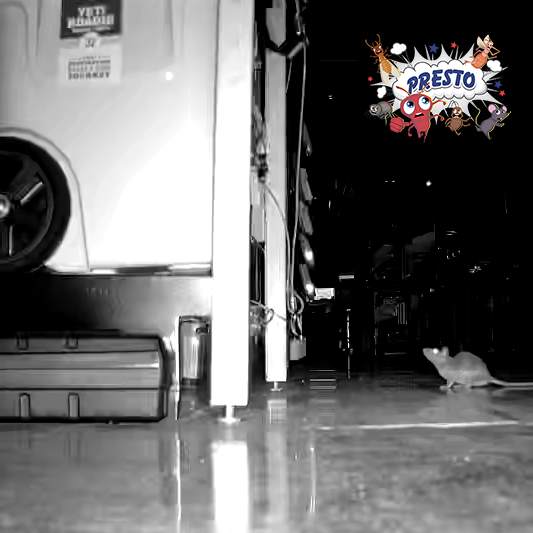
The Growing Problem of Rodents in Vehicles
Modern vehicles—especially electric cars like Teslas—have become prime targets for rodents seeking shelter, warmth, and food sources.
When rodents nest in an engine bay, dashboard, trunk, or battery compartment, they don’t just create an unsanitary environment—they cause thousands of dollars in mechanical and electrical damage. A single chewed wire harness can disable power systems, trigger cascade fault codes, or even pose fire hazards.
Why Teslas and Modern EVs Are Particularly Vulnerable
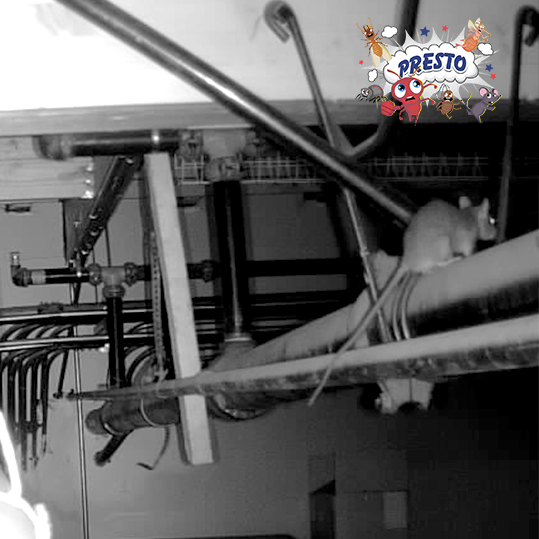
Like many modern automotive manufacturers, Tesla uses eco-friendly, soy-based wiring insulation instead of traditional petroleum-based plastic coatings. To rodents, this organic material smells and tastes like food.
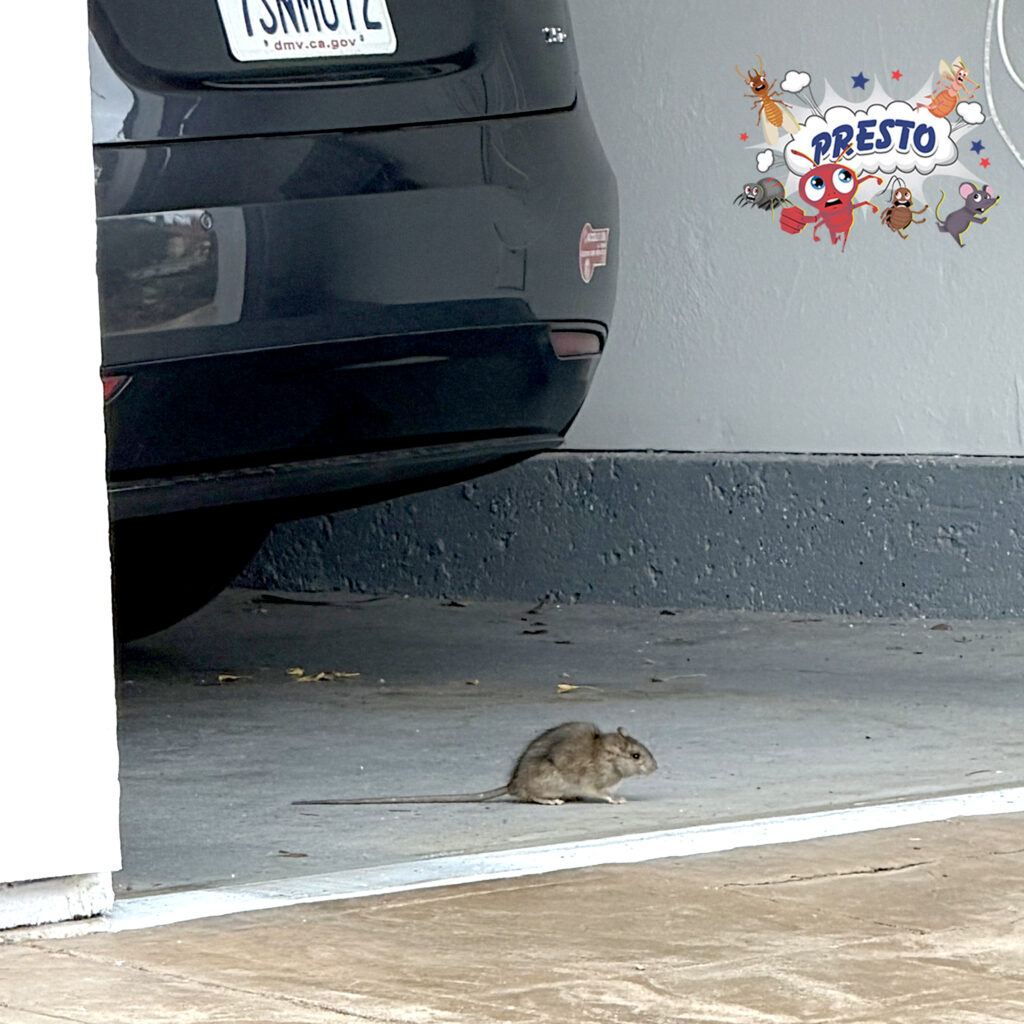
EV battery thermal management systems keep battery packs warm even while parked or charging, creating a cozy environment for nesting pests overnight.
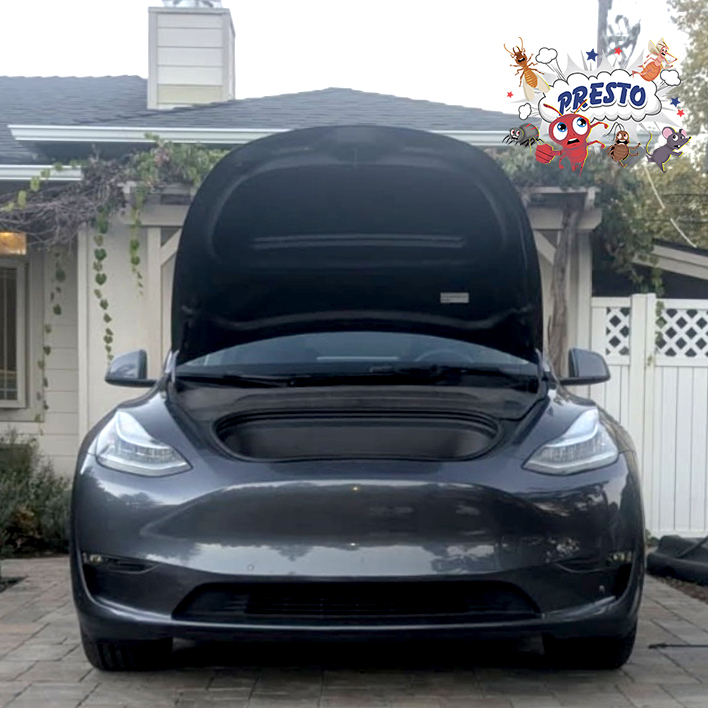
The smooth skid plates, covered underbodies, and quiet interior spaces of electric vehicles offer dark, safe harborages protected from weather and predators.
Signs You Have Rodents Harbored in Your Car
Dashboard Warning Lights: Sudden electrical glitches, autopilot failure messages, or sensor errors caused by chewed wire looms.
Foul Odors from HVAC Vents: Musty, ammonia-like smells or burning odors coming through the climate control system.
Nesting Material: Shredded hood insulation, leaves, acorns, or paper scraps packed near air intake filters, under the frunk, or near battery wiring.
Droppings & Smudge Marks: Droppings on top of battery covers, under wipers, or inside trunk wells.
Frequently Asked Questions

Will auto insurance cover rodent damage to my vehicle?
In many cases, comprehensive auto insurance covers damage caused by animals or rodents (including chewed wire harnesses). Check with your provider, but preventing the damage beforehand saves you time, deductibles, and repair delays.
Why shouldn’t I put rodent poison directly inside my car?
Placing loose poison or bait blocks inside a vehicle can cause rodents to die inside inaccessible spaces (like deep dashboard cavities or air ducts), resulting in severe, long-lasting odors that are extremely difficult to remove.
Can rodents get into the cabin/interior of a Tesla?
Yes. Rodents often enter through the cabin air intake vent located behind the frunk area, chewing through paper air filters to reach the interior cabin and seating.
We'll Resolve Your Pest Problem!
 (408) 966-8600
Get your $25 courtesy for first responders, active military, 10% senior discount &
$50 discount for refering a friend for both parties signed up for yearly service package.